
Blog

People-Pleasing, Masking, and Authenticity in Relationships
Halloween is the one time of year when wearing a mask is expected. But for many people, putting on a costume isn't a holiday tradition—it is a daily survival strategy in their romantic relationships. We are exploring the clinical reality of relational "masking," the hidden strain of people-pleasing and hyper-vigilance, and how to safely unmask in front of your partner so you can build genuine, fear-free emotional intimacy.
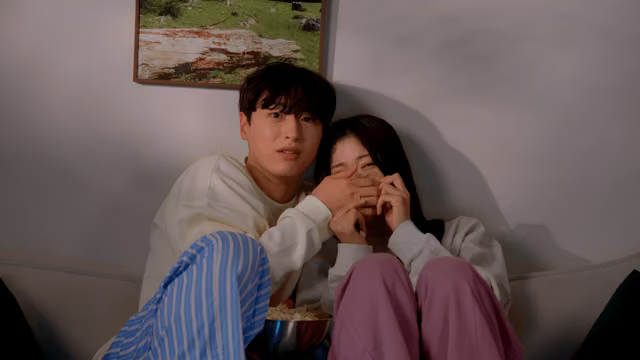
The Neurobiology of Adrenaline: Why Scares Bring Couples Closer
From horror movie marathons to haunted houses, October is built on voluntary fear. But why does getting scared together make us feel more romantic? In honor of spooky season, we are diving into the neurobiology of fear bonding, the "misattribution of arousal," and how couples can use shared adrenaline and novelty to reignite emotional and sexual spark in long-term relationships.
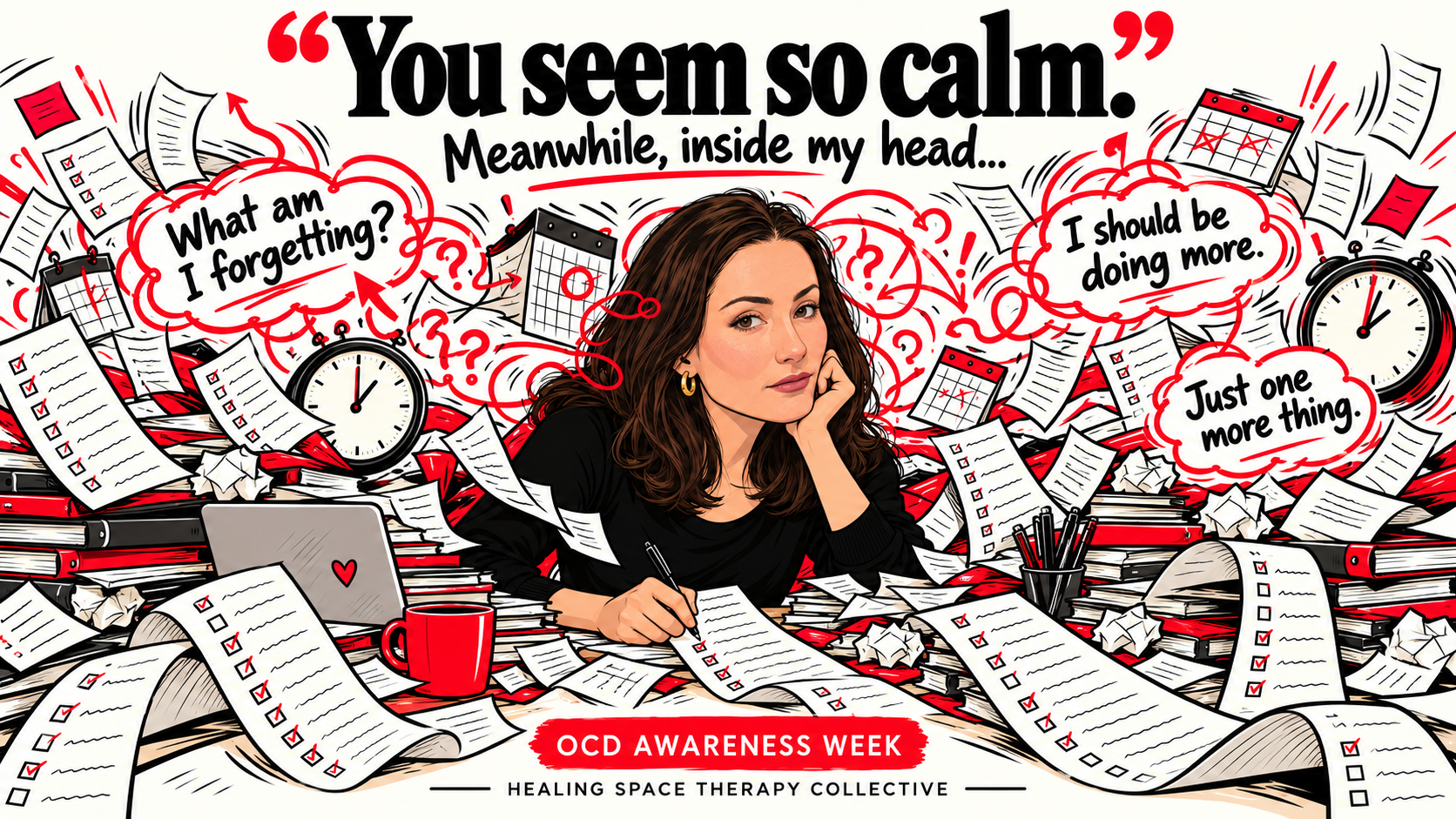
“You Seem So Calm!” What You Don’t See Behind My OCD
“You seem so calm” doesn’t always reflect what’s happening underneath. In this personal reflection, therapist Anna Halliday shares how OCD affects her daily life, relationships, and ability to rest and why making time for her own care helps her reconnect with the life she loves.

Asexuality vs. Low Libido: Unpacking Sexual Identity, Desire Mismatches, and Relational Intimacy
Social media frequently conflates a lack of sexual interest with "something being broken." But there is a vast difference between an innate sexual orientation and a shift in physical libido. In honor of Asexuality Awareness Week, we are unpacking the asexual spectrum, distinguishing it from stress-induced low desire, and sharing how couples can cultivate deep emotional and physical connection without pathologizing either partner.

Navigating Late-in-Life Coming Out: Grief, Identity, and Intimacy
In honor of National Coming Out Day on October 11, we are shining a light on a journey that pop culture—from Hacks to Grace and Frankie—has increasingly brought into the spotlight: coming out later in life. Whether in your thirties, fifties, or beyond, stepping into your authentic sexual or gender identity comes with a unique mix of liberation, grief, and relational shifts. We are breaking down how to process "lost time," navigate shifts in existing relationships, and embrace the truth that identity exploration has no expiration date.

Ghosting Your Partner in the Same Room: Emotional Withdrawal in Long-Term Relationships
We all know the sinking feeling of being ghosted online—the sudden silence, the unread messages, and the wall of cold indifference. But what happens when the person ghosting you is sitting right next to you on the couch? We are exploring the psychology of emotional withdrawal, why partners shut down during high conflict, and how to ask for space without triggering your partner's fear of abandonment.

Bisexual Erasure: How Invalidation Affects Mental Health and Relationships
With Bisexual Visibility Day on September 23, the conversation around bisexual mental health is more important than ever. Popular media like the hit show Heartstopper has brought bisexual experiences into the mainstream, showing the quiet anxiety of having your identity constantly questioned. We are breaking down what bisexual erasure looks like, the hidden impact of minority stress, and how to create genuine emotional safety for a bisexual partner in a relationship.

The Eldest Daughter Experience in Hispanic Families: Family Roles, Emotional Labor, and Guilt
As Hispanic Heritage Month begins, social media feeds are filled with memes about "Eldest Daughter Syndrome"—specifically the unspoken expectation to act as a third parent, translator, and emotional anchor. But behind the relatable humor lies a heavy weight of emotional labor and perfectionism. We are exploring the cultural psychology behind the eldest daughter experience in Hispanic households, how to navigate boundary guilt, and how to honor family closeness while choosing your own well-being.

Is a “Sleep Divorce” Healthy? How Sleeping Separately Can Affect Your Relationship
The concept of a "sleep divorce"—where couples intentionally choose to sleep in separate beds or rooms—has been trending heavily on social media platforms like TikTok. While the internet loves to debate whether this spells the end of a romance, many couples find it completely transformative. We are breaking down why partners opt for separate beds, how sleep impacts mood and conflict, and how to preserve physical and emotional intimacy when you no longer share a mattress.

Chemistry vs. Compatibility: What Love Is Blind Teaches Us About Lasting Relationships
Whenever a new season of Love Is Blind dominates our screens, we are subjected to the chaotic experiment of couples rushing into engagements based purely on days of deep, uninterrupted conversation. While these intense bonds make for great television, they highlight a common dilemma: confusing chemical infatuation with long-term compatibility. We are exploring the psychological differences between attraction, infatuation, accelerated intimacy, and actual warning signs to help you build a lasting connection.

What Does It Actually Mean to Be Sexually Healthy?
Sexual health is about more than STI prevention or how often you’re having sex. It’s about pleasure, consent, communication, boundaries, and feeling at home in your own sexuality. This Sexual Health Month, we’re redefining what a healthy sex life can actually look like—and letting go of the idea that there’s one “normal” way to have one.

Emotional Labor and the Mental Load: Unpacking the "Weaponized Incompetence"
If your social media feed has shown you videos of frustrated partners discussing "weaponized incompetence," you know the debate is fierce. It usually starts with a viral video about a partner purposely doing the laundry or dishes wrong to avoid the chore, but the underlying resentment is serious. We are breaking down what happens when the mental load falls entirely on one person, and how chronic exhaustion is quietly ruining your sex life and emotional connection.

Attachment Styles in Relationships: Unpacking the "Black Cat and Golden Retriever" Dynamic
Social media loves to categorize couples into the "Black Cat and Golden Retriever" trope—where one partner is fiercely independent and guarded, while the other is overly affectionate and eager to please. But is this just a cute relationship aesthetic, or the classic anxious-avoidant attachment trap in disguise? We are exploring the psychology behind why these opposites attract, and how to bridge the gap between differing emotional and physical intimacy needs.

Family Systems and Conflict: Breaking the Trauma Cycle
For some, childhood is a safe haven. For others, it feels like navigating a pressure cooker. If you want a visceral example of a chaotic family system, look no further than the relentless, buzzing anxiety of the hit show The Bear. While the explosive screaming matches make for award-winning television, they are also a harsh reflection of unhealed generational trauma. We are breaking down how chaotic family systems shape your adult communication style, and how to set healthy boundaries when high conflict feels like your normal baseline.

Power Dynamics and Trust: Escaping the Competition Trap
The intense cinematic drama of the hit tennis movie Challengers sparked endless conversations about toxic love triangles, jealousy, and using intimacy as a weapon. But what happens in reality when couples view each other as competitors rather than teammates? We are breaking down the psychology behind power struggles within relationships and how using physical intimacy to "win" arguments ultimately destroys emotional safety.

6 Surprisingly Weird Things That Can Help You Orgasm (Backed by Science)
Warm feet? A little laughter? Even staying hydrated? Discover six surprising, science-backed physiological factors that may help make orgasms easier and improve your overall sexual experience.

Conflict Resolution Under Pressure: Surviving the First Couples Vacation
The social media phenomenon of couples having massive, relationship-ending arguments during their first big summer vacation together is widely known as the "baecation curse." Taking a relationship out of its normal routine acts as a pressure cooker for underlying issues. We are exploring how mismatched travel styles highlight gaps in communication, and how to advocate for your needs when stressed in a new environment.

Codependency and Control: The Exhaustion of Managing Your Partner's Image
Sabrina Carpenter’s hit song "Please Please Please" has been the undisputed anthem of the summer, perfectly capturing the anxiety of begging a partner not to embarrass you in public. But beneath the catchy beat is a deeply relatable psychological trap: tying your own self-worth to your partner's behavior. We are breaking down the exhaustion of over-functioning, why you can't "parent" your partner, and how to reclaim your own identity.

Body Image and Intimacy: Reclaiming Pleasure
Even if you missed the third season of Bridgerton, you have likely heard about the viral "mirror scene." It is a moment celebrated for its radical vulnerability—two partners fully seeing and desiring each other without hiding. But in reality, the idea of being fully visible with the lights on is often terrifying. We are breaking down how negative body image impacts your sex life and how to get out of your head.

We're Not a Blank Slate Practice, And That's a Good Thing
For a long time, therapy was portrayed as a relationship with a completely neutral professional- a "blank slate" who revealed very little about themselves, rarely shared reactions, and existed almost as a mirror for the client. While there are therapeutic approaches where that style can be appropriate, it isn't the only way to do good therapy.