
The Eldest Daughter Experience in Hispanic Families: Family Roles, Emotional Labor, and Guilt
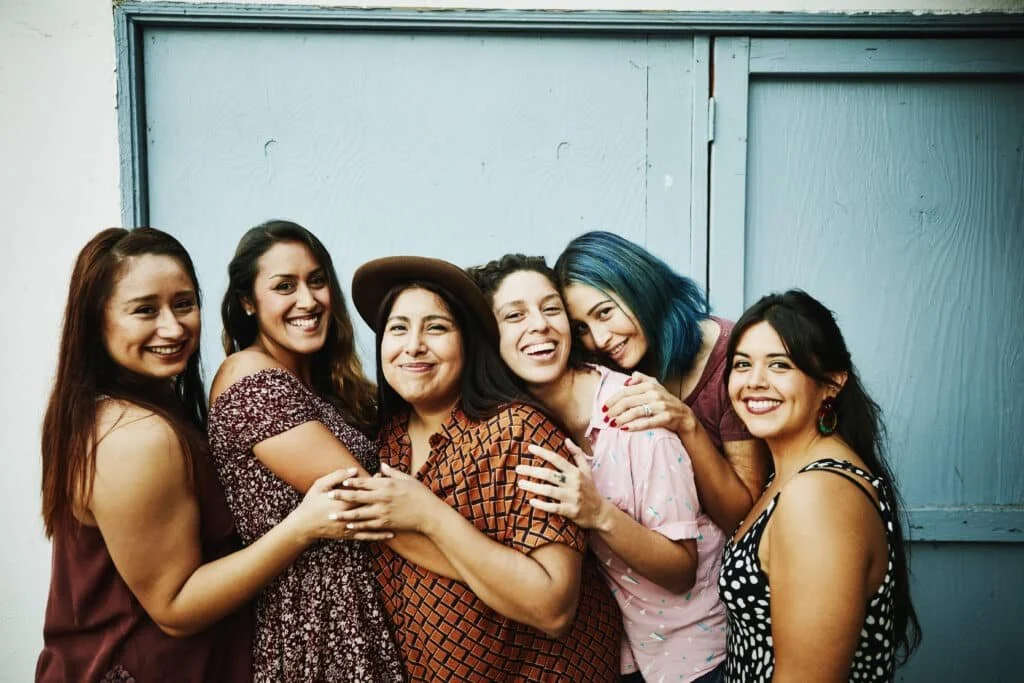
With the start of Hispanic Heritage Month, social media is once again buzzing with conversations around "Eldest Daughter Syndrome." TikToks and Instagram reels lightheartedly joke about being five years old and filling out official paperwork for your parents or managing an entire household's calendar before reaching high school.
While the memes offer a comforting sense of shared experience, the underlying reality is complex. In mental health counseling and individual therapy, we frequently work with eldest daughters in Hispanic households who are navigating the deep emotional exhaustion that comes with these early adult responsibilities. Let's look at the cultural dynamics that shape this role, the guilt of setting boundaries, and how to honor both your family roots and your personal autonomy.
The Invisible Roles: Parentification, Caregiving, and Perfectionism
In many Hispanic families, cultural values like familismo—a deep commitment, loyalty, and duty to the family unit—serve as a powerful source of strength, love, and connection. However, this collectivist mindset can also place a unique, unwritten contract on the eldest daughter.
From an early age, eldest daughters often undergo parentification, stepping into adult responsibilities to support the household.
The Translator and Administrator: Acting as the primary bridge between non-English-speaking parents and medical, financial, or legal systems.
The Co-Parent: Managing younger siblings' routines, homework, and emotional needs while parents work long hours.
The Emotional Anchor: Serving as the confidante for parental stress, absorbing family conflicts, and keeping the peace.
To survive these high-stakes expectations, many eldest daughters develop hyper-independence and severe perfectionism. The internal logic becomes: If I am perfect and never make a mistake, I can keep my family safe and relieve my parents' stress.
Navigating the Weight of "Boundary Guilt"
The central challenge for the eldest daughter arrives in adulthood when she attempts to establish her own identity separate from her family role. Choosing to move out, focus on a career, or simply say "no" to a family request can trigger intense internal conflict.
Because familismo emphasizes putting the collective above the individual, setting a boundary can feel like an act of betrayal. Eldest daughters are often met with guilt—either self-imposed or projected by family members who view boundaries as a lack of love or respect. It is common to hear or feel: "After everything we sacrificed for you, how can you choose yourself?"
Learning to distinguish between harmful guilt (doing something wrong) and growth guilt (doing something healthy that steps outside a family norm) is essential to healing.
Balancing Cultural Pride with Personal Autonomy
Breaking out of the default "family manager" role does not mean cutting ties or disavowing your heritage. Hispanic culture carries immense resilience, warmth, intergenerational wisdom, and community support. The goal of therapy is not to erase these cultural strengths, but to help you participate in them from a place of choice rather than obligation.
How to start shifting the dynamic:
Acknowledge the Sacrifice: Recognize that your parents likely did the best they could with the resources and trauma they had, while also validating that it was unfair for you to carry adult burdens as a child.
Start with Small Boundaries: Practice saying no to low-stakes demands before tackling major family conflicts.
Separate Love from Self-Sacrifice: Remind yourself that you can love your family deeply without lighting yourself on fire to keep them warm.
Honor Yourself at Healing Space Therapy Collective
Unpacking family roles and overcoming generational guilt is delicate work, but you do not have to navigate it alone. You deserve a space where your experiences are validated through a culturally responsive lens.
At Healing Space Therapy Collective, we specialize in helping individuals navigate family dynamics, boundary-setting, and perfectionism. Whether you prefer the accessibility of virtual therapy Florida or an in-person session with a therapist in Miami, our team is here to support your journey toward self-discovery and peace.
Ready to drop the weight of perfectionism and honor your needs? Reach out to us at support@hstherapycollective.com or contact us to book your consultation today.
